If you've ever felt weighed down by stress or the sense that life has become heavy, you might seek practices to help move through emotions. Across Latin America and as part of Indigenous healing traditions, people have long looked to a practice known as a limpia—a spiritual cleansing ritual designed to restore balance, invite renewal, and help release what no longer serves the spirit.
The word limpia means "cleansing" in Spanish, but its deeper meaning goes beyond washing physical dirt. A limpia is a sacred ceremony rooted in centuries of Indigenous wisdom, often under the folk healing practice of curanderismo. For many, it is a ritual of healing, reflection, and spiritual realignment.
Typically, curanderas and curanderos (healers) give limpias, though some people perform them on themselves or family members. What’s important is the intention. Curanderismo practitioner Robyn Moreno explains, “Another meaning for the word cura is to care for.”
More than a collection of remedies, curanderismo is rooted in cultural, familial, and religious or spiritual tradition. Whether you're curious about the history of limpias or considering experiencing one yourself, understanding the tradition begins with honoring its cultural roots.
Origins of the Limpia Ritual
Way before modern wellness trends popularized concepts like energy cleansing or mindfulness, Indigenous peoples throughout Mexico, Central America, and South America practiced ceremonial purification to restore harmony between body, mind, spirit, and nature.
These ceremonies used herbs, flowers, smoke, water, prayer, and intention to help people prepare for important life events, recover after illness, or release emotional and spiritual burdens.
Post-Spanish colonization, many Indigenous traditions blended with Catholic beliefs. This assimilation created a healing tradition blending health and spirituality within curanderismo, which combines herbal knowledge, spiritual guidance, prayer, and ritual cleansing.
Every community practices limpias a little differently, making each ceremony unique while sharing the common intention of cultivating spiritual balance.
Why Do People Receive a Limpia?
People seek a limpia for many reasons:
- Feelings of stagnancy
- Moving to a new home
- Before a new job
- Starting a relationship
- Experiencing a transition
- Heartbreak
- Trauma or prolonged stress
- Illness
- Bad luck
- Grief
For many, the ceremony serves as a meaningful pause—a chance to acknowledge what has been carried and consciously welcome what comes next. Someone can seek a limpia for themselves, and similarly for their home to clear away negative energy.
Moreno shares of her experience, “Just as a good gust of wind cleans away debris and dirt before spring planting, I decided to channel this cleansing energy by sweeping and cleaning my house and clearing the space in my head and heart via the act of a limpia.”
What Happens During a Limpia?
No two limpias are exactly alike. Some last only a few minutes, while others unfold slowly in a prayerful ceremony. What remains consistent is the intention to make space for renewal. Moreno explains that limpias aren’t just about clearing negativity; they are about creating new pathways.
Imagine stepping into a calm room where the woody scent of copal or incense fills the air, blending with fresh herbs. Candles flicker. Whispered prayers or healing songs create a soundscape. Before the ceremony begins, you're often invited to pause, breathe deeply, and set an intention such as releasing fear, welcoming peace, or opening yourself to a new chapter.
As the ritual unfolds, the practitioner may brush bundles of rosemary, rue, basil, cedar, chamomile, or other traditional herbs over your body. In many traditions, this symbolic act represents sweeping away stagnant or unwanted influences while inviting harmony and protection.
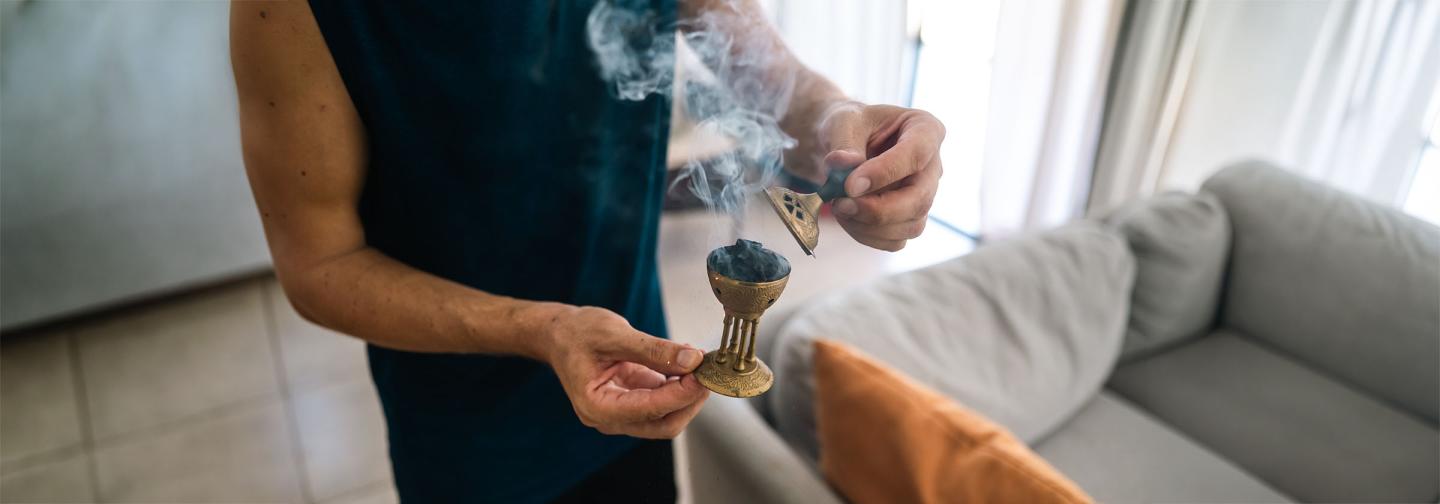
Smoke from copal or incense is an important part of the cleansing, as smoke moves, symbolizing change. Water, flowers, blessed oils, feathers, sound instruments, or crystals may be incorporated, depending on the practitioner's lineage and spiritual tradition.
What Is an Egg Limpia?
One of the most recognized forms is the egg limpia, or limpia con huevo. During this ritual, an egg is slowly passed around the body while prayers or blessings are offered. Eggs are believed to absorb negative energy.
Practitioners may interpret what they observe according to their spiritual framework. Moreno says, “After a limpia, some people break the eggs into a glass of water and read the contents to see if someone sent you bad energy or to determine the cause of your troubles. But some curanderos keep the egg whole after a limpia and bury it.”
Participants often describe leaving the ritual feeling lighter, calmer, or more grounded. While these experiences are personal and shaped by individual beliefs, many find that the combination of prayer, symbolism, focused intention, and compassionate presence creates a powerful gateway for renewal.
The Importance of Respecting the Tradition
As interest in spiritual wellbeing grows, limpias are increasingly discussed outside the cultures where they originated. While this has introduced many people to the practice, it's important to remember that a limpia is not simply another wellness trend.
For countless families and communities, it is a sacred tradition preserved across generations. Approaching it with curiosity, humility, and respect helps honor the people who have safeguarded these practices through history. Learning from knowledgeable practitioners and understanding regional differences helps ensure the tradition is appreciated without reducing it to a novelty or commercial experience.
A Ritual of Renewal
At its heart, a limpia is an invitation to clear what ails you and start again.
Whether understood as a sacred act of faith, a symbolic ritual for emotional release, or an expression of cultural heritage, the ceremony reflects a universal human desire to heal, find balance, and reconnect with what matters.
While every limpia is different, each holds the same reminder: Healing often begins the moment we choose to release what weighs us down and make room for something new.