ARTICLE

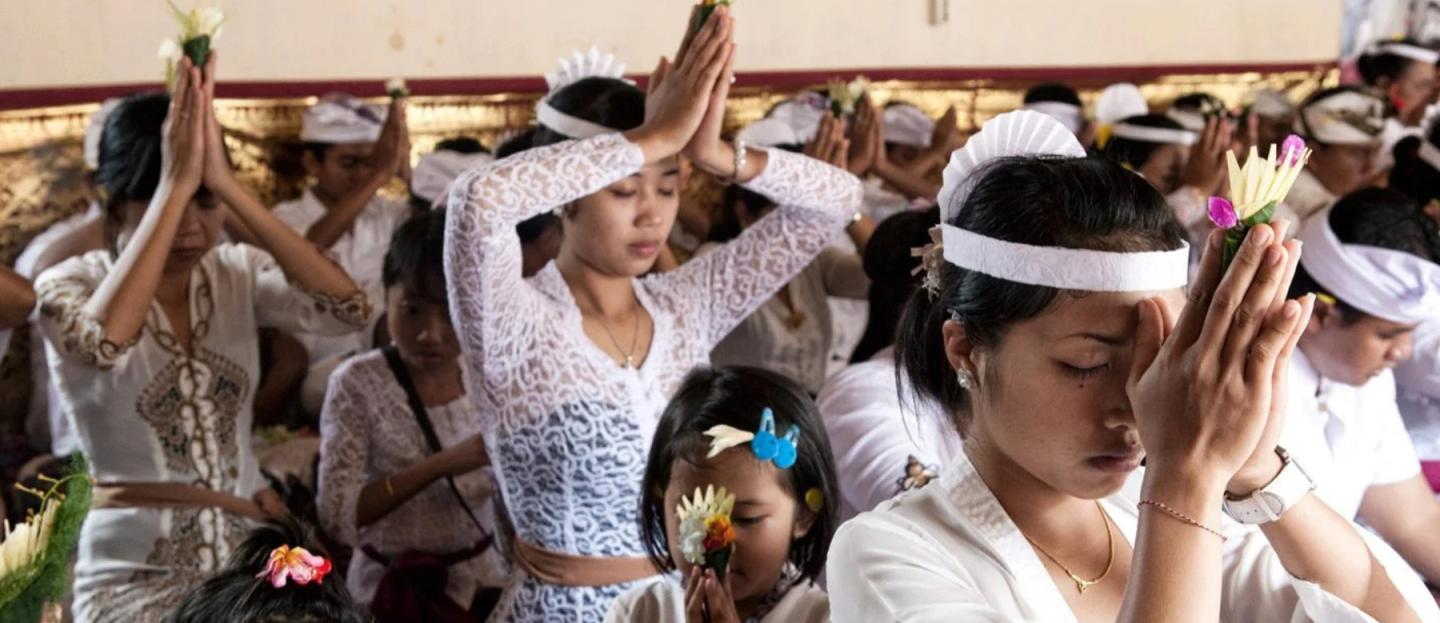
Photo by Jeanny Tsai of people meditating in Bali

August 24, 2026

Add to favorites

Photography as a Healing Practice: The Power of Being Seen

Photographer and healing practitioner Jeanny Tsai explores photography as a healing practice—and the power of presence, connection, and being truly seen.

By Jeanny Tsai

What makes a photograph powerful? It is a record of a moment that will never return. For me, as a photographer, photography is a creative and healing practice—a way to record an exchange of energy between two humans, document the world, engage in social change, and create beauty through imagery. 

I consider a photograph to be an imprint of my energy synergized with the energy of a person, place, or object in the world, an artistic expression of my direct experience.

I have long been intentional about cultivating a sense of beauty through my photographs, and about what I choose to focus on when photographing a person or place. 

I remember one of my primary spiritual teachers conveying how everything we look at becomes part of us, and that it is important to look at images that are uplifting. This teaching also affirmed for me that photography can be a spiritual and healing practice, a way to add more light into the world.

Photography as a Practice of Human Connection

I first fell in love with photography in college. While my university was renowned for its rigorous academic curriculum, it was a single black-and-white photography class that shifted my life trajectory. In my junior year, my roommate and I built a darkroom in an extra room in the back of our apartment and had darkroom parties where friends came over to develop their black-and-white film negatives and make prints.       
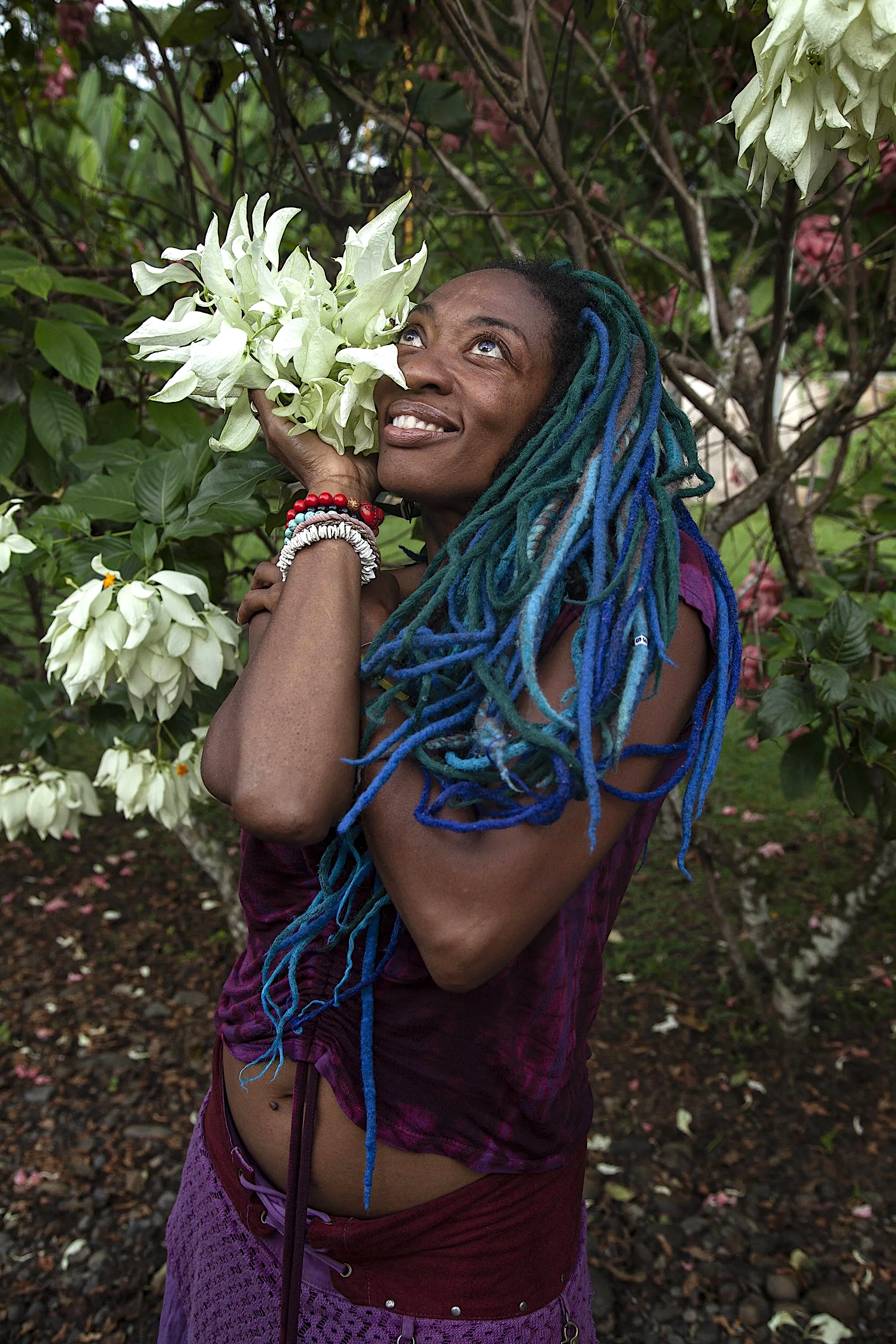
Jeanny Tsai_Ashni portraitI would often make a big pot of ramen noodles for everyone and we would hold informal critiques of one another’s photos. I have vivid memories of our darkroom, the smell of the chemistry in the trays, and the patience it required to develop each photo by submerging it in each of the three trays until magically an image appeared after it was lifted out of the fixer in the final tray.

A few years later, I shifted from black and white to color photography, and then from working with negative film to digital photography. The transition from developing my own negatives to working digitally was a major shift in both my personal practice and in the broader photography industry in the United States. Instead of a post-production process that involved hand-developing negatives and making prints, or going to a lab to print my photos and sharing space with other photographers, my workflow became individual and portable. 
My camera was still my passport to connection, especially when I was traveling in places where there was a language barrier.
Jeanny Tsai

The digital shift revolutionized editorial and news photography. Images were photographed, edited, and transmitted within minutes if necessary in a workflow that would have been unthinkable in the era of film processing. 

I missed aspects about analog photography such as working in the darkroom and having in-person time with other photographers in a communal lab, but I also enjoyed what I gained from working in digital, including saving money on film.

I was still doing what I loved when I photographed, and while the final images after a shoot were important, one of my favorite parts of photography and being a photographer remained: connecting with and learning about another human being. 

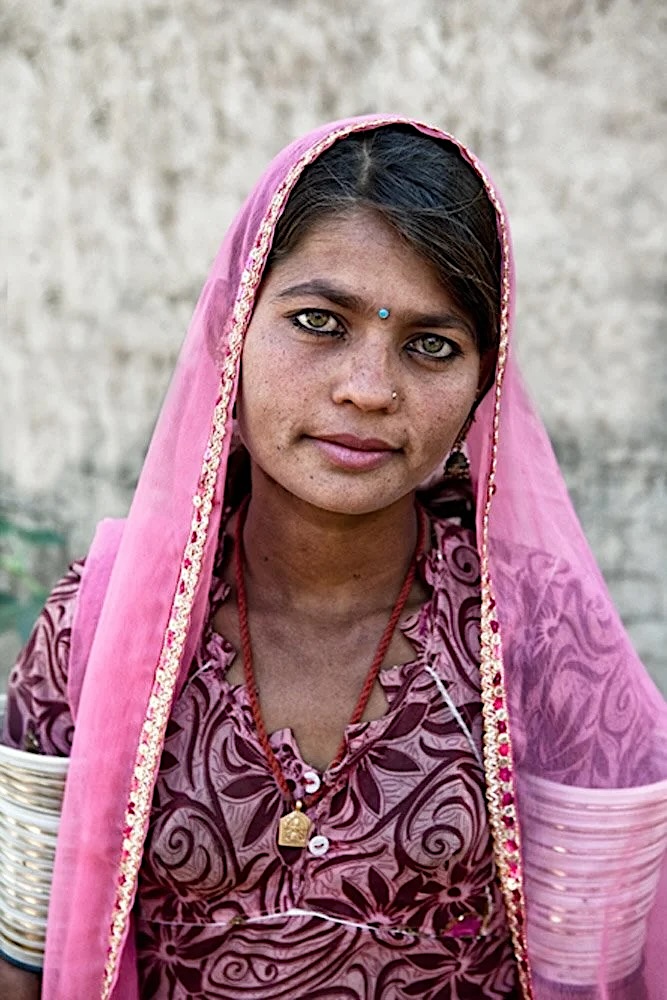
Jeanny Tsai_Nomad woman_Rajasthani

My camera was still my passport to connection, especially when I was traveling in places where there was a language barrier.

AI-Generated Images & the Loss of Human Connection

Nowadays, another big shift in the photography realm is occurring. There is a proliferation of AI-generated imagery appearing online and throughout social media platforms. It has become the norm, and I hear all the reasons people like to use AI-generated imagery in their promotional endeavors, including that it costs less and it’s convenient. 

AI-generated imagery can make people look younger, place them in settings that appear real without requiring travel to that location, and offer nearly endless creative possibilities without human effort.

But sometimes lower prices and convenience create an unforeseen high cost. For me, that high cost is primarily the loss of human connection and the authenticity that comes from a human creative process. 

In addition, AI-generated imagery devalues and takes away work from professional photographers. It’s a regular practice for AI companies to extract photos from websites and other places online, including copyrighted work from photographers to train their AI models without compensation or consent.

Photography as a Healing Practice

I have no plans to change the way I work with photography, which includes creating an intentional space to witness and honor another human being. Over the years, I also expanded into healing work, apprenticing with my lineage teachers and learning tools to support another person’s process of healing on the physical, emotional, mental, and spiritual levels.

I consider my photography to be an extension of my healing practice, a way to create a space where someone feels seen, safe to be themselves, and where our time together can support a positive shift.

The power of photography lies both within and beyond the physical photograph. Being a photographer asks of me to be authentic and relational. Creating portraits has helped me cultivate deeper attunement to myself, my heart, and my spirit while deepening my capacity to be attuned and present with the people I photograph.

For me, this is the healing power of photography: not only the image we create, but the connection and presence that make the image possible.